
Adding plants to your space can make rooms brighter and more relaxing. But, keeping them alive isn’t always easy. Many beginners make simple mistakes that harm their plants 😊.
Knowing the most frequent houseplant mistakes helps you avoid them. This article will show you common errors in indoor plant care. You’ll get tips to keep your plants healthy and growing well.
Key Takeaways
- Understand the most common errors in indoor plant care
- Learn how to identify and correct these mistakes
- Discover practical tips for keeping your houseplants healthy
- Improve your indoor plant care skills with simple, actionable advice
- Avoid frequent houseplant mistakes to keep your plants thriving
Overwatering: The Number One Plant Killer
Overwatering is the top reason indoor plants die. Justin Hancock, a horticulturist at Costa Farms, says, “most people overwater because they want to show their plants love.” Too much water can cause root rot, where the roots decay from lack of oxygen.
To prevent drowning your plants, learn the signs of overwatering. Yellowing leaves, droopy stems, and soft, mushy roots mean your plant has too much water. If you see these signs, it’s time to change how often you water.
Signs of an Overwatered Plant
Spotting an overwatered plant can be tricky, but there are clear signs. Look for:
- Yellowing or droopy leaves
- Soft, mushy roots
- Water pooling around the base of the plant
- A sour or unpleasant smell from the soil
Creating an Effective Watering Schedule
Setting up a watering schedule can prevent overwatering. First, know how much water your plants need. Check the soil moisture by sticking your finger into the soil up to the first knuckle. If it’s dry, water. If it’s moist, wait a few days.
“The key to watering is to do it thoroughly, then let the pot drain well. This ensures that the soil is moist but not waterlogged.”
How to Save an Overwatered Plant
If you’ve overwatered your plant, don’t worry. You can still save it. First, stop watering immediately. Let the soil dry a bit before watering again. You might also need to repot it in fresh, draining soil to stop root rot.
By following these tips, you can keep your plants healthy and avoid overwatering.
Providing Inadequate Light Conditions
Light is key for your indoor plants to do well. Emily O’Gwin, a gardener at the U.S. Botanic Garden in Washington D.C., says, “Think about the light you have before you bring the plant into your house… Once you get the plant in there, you cannot move the sun.” This shows how important it is to know your home’s light before picking a plant.
Matching Plants to Your Home’s Light Levels
Each plant needs different light. Plants like Chinese Evergreen and Pothos do well in low light. On the other hand, Succulents and Cacti need lots of bright light.
To find the right plant for your home, first check your light. Think about your windows and when they get sunlight. For example, north windows get soft light, while south windows get strong, direct light.
Recognizing Light Deficiency Symptoms
If your plants aren’t getting enough light, they might show signs. Look for:
- Leggy or stretched-out growth
- Pale or washed-out leaves
- Slow or stunted growth
- Leaf drop or loss of leaves
These signs mean your plant is not getting enough light. Moving the plant or adding extra light can help.
Supplemental Lighting Solutions
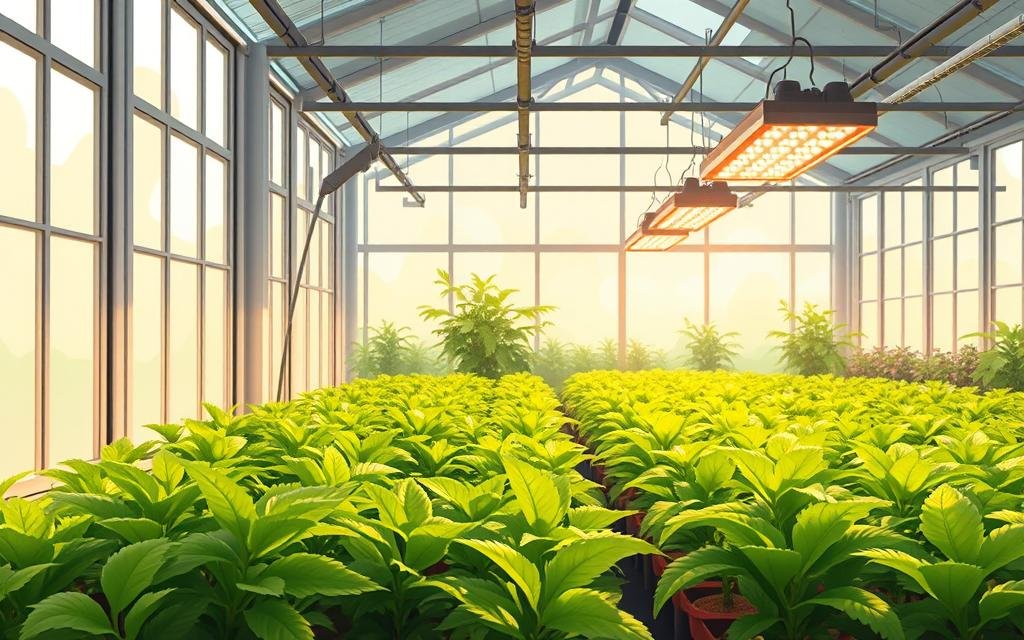
If your home doesn’t get much natural light, extra lighting can help. You can use:
- LED Grow Lights: These are energy-saving and can be set to match your plants’ needs.
- Fluorescent Lights: A good, affordable choice for many plants.
- Halogen Lights: They give a warm light but use more energy and can get hot.
When picking extra lighting, think about what your plants need and how much space you have. The right light can help your plants grow well, even in tough light conditions.
Ignoring Humidity Requirements
Humidity is key for your plants’ health. Just like us, plants prefer certain humidity levels. Knowing these needs can greatly improve their growth and health.
Tropical Plants and Their Humidity Needs
Tropical plants need a lot of humidity to do well. They come from warm, humid places near the equator. To help them, you can make the air around them more humid.
Some popular tropical plants that require high humidity include:
- Ferns
- Orchids
- Bromeliads
- Peace Lilies
Telltale Signs of Humidity Problems
When plants don’t get enough humidity, they show signs of trouble. Look out for:
- Dry, crispy leaves
- Wilting or droopy leaves
- Slow growth or stunted development
- Leaf edges turning brown
Simple Methods to Boost Humidity Levels
Boosting humidity is easy. Here are a few ways to do it:
- Grouping Plants Together: Clustering plants creates a humid microclimate.
- Using a Humidifier: A humidifier keeps humidity levels steady, especially in dry winter months.
- Pebble Tray Method: A tray with water and pebbles near plants increases humidity as water evaporates.
- Misting: Mist plants regularly to keep humidity up. But don’t overdo it to avoid moisture problems.
By knowing your plants’ humidity needs and using these methods, you can create a better environment for them to thrive.
7 Common Indoor Plant Mistakes with Soil Selection
Choosing the right soil is key to caring for indoor plants. Emily O’Gwin says, “There are lots of different types of potting media, and you have to choose the right one for your plant.” This shows how important it is to know what your plants need.
Plant-Specific Soil Requirements
Different plants need different soils. Succulents and cacti need soil that drains well to avoid root rot. On the other hand, plants like ferns and peace lilies do well in moist, nutrient-rich soil.
To pick the right soil, think about where your plants come from. Plants from dry places need soil that drains fast. Plants from wet places need soil that holds moisture. You can also ask gardening experts or check the plant’s label for advice.
Consequences of Using Incorrect Soil
Wrong soil can harm your plants. Too dense soil can cause waterlogging and root rot. Soil that drains too fast may not hold enough water, causing drought stress. Also, the wrong pH can make nutrients hard for plants to use.
For example, plants that like acidic soil, like azaleas, won’t do well in alkaline soil. Plants that like alkaline soil, like succulents, won’t do well in acidic soil.
DIY Soil Mixes for Different Plant Types
Making your own soil mix can save money and be rewarding. For succulents, mix regular potting soil with perlite or sand for better drainage. For tropical plants, add peat moss or coconut coir to the potting soil to keep it moist and provide nutrients.
Here’s a simple recipe for a DIY soil mix for tropical plants:
- 2 parts potting soil
- 1 part peat moss or coconut coir
- 1/2 part perlite or vermiculite for added drainage
Mix these ingredients well and adjust the amounts based on your plants’ needs.
By picking the right soil and knowing your plants’ needs, you can help them grow well. Whether you’re new to gardening or experienced, understanding soil selection is vital for indoor plant care.
Overlooking Early Pest Infestations
Pest infestations are a big threat to your indoor plants. They can cause serious damage if not caught early. Pests can quietly harm your plants, often without you noticing until it’s too late. It’s important to check your plants regularly to spot these problems early.
Identifying Common Houseplant Pests
To protect your plants, you need to know the common pests. Spider mites, mealybugs, aphids, and scale are common pests. Spider mites make fine webs, mealybugs leave cottony patches, aphids curl leaves, and scale looks like brown bumps.
Check your plants often, especially under leaves and in the soil. Pests like to hide there. For more info on plant problems, visit https://www.ftd.com/blog/plant-problems.
Preventative Pest Management Strategies
Prevention is key against pests. Keep your plants healthy with the right water, light, and food. Healthy plants fight off pests better.
Quarantine new plants before adding them to your collection. This stops pests from spreading. Also, clean your plants’ leaves with a damp cloth to remove dust and pests. Make sure your plants have good air flow to prevent pests.
Effective and Safe Treatment Methods
If you find pests, act fast to limit damage. For small problems, use a mild soap solution. For bigger issues, try insecticidal soap or neem oil. These are safer for your plants than harsh chemicals.
Always read the instructions when treating your plants. You might need to treat them again every few days to get rid of all pests.
Choosing Improper Containers and Drainage
Your plant’s container is more than just a pretty face; it plays a vital role in the plant’s overall health. Choosing the right container and ensuring proper drainage are crucial steps in creating a thriving indoor garden.
Container Size Matters
The size of the container can significantly impact your plant’s growth. A pot that is too small may limit root development. On the other hand, a pot that is too large can cause the soil to become too wet, potentially leading to root rot.
When selecting a container, consider the mature size of your plant. Choose a pot that will accommodate its root system without being too spacious. A good rule of thumb is to choose a pot that is 1-2 sizes larger than the current one when repotting.
Drainage Considerations
Proper drainage is essential to prevent waterlogged soil, which can be detrimental to your plants. Containers should have drainage holes to allow excess water to escape.
- Ensure your pot has drainage holes.
- Use a well-draining potting mix.
- Avoid using saucers that can collect water and cause the soil to become waterlogged.
A Step-by-Step Repotting Guide
Repotting is a critical process that gives your plant a fresh start with new soil and a larger pot if necessary. According to Justin Hancock, “Your plant will be much happier, it will grow faster, and it will grow better if you repot when it becomes rootbound.”
- Prepare your new pot with drainage holes and a layer of fresh potting mix.
- Remove the plant from its old pot, taking care not to damage the roots.
- Gently loosen the roots if they are circling or compacted.
- Place the plant in the new pot and fill with fresh potting mix, ensuring not to bury the plant too deeply.
- Water thoroughly after repotting.
| Container Size | Impact on Plant | Recommendation |
|---|---|---|
| Too Small | Limited root growth, potential for nutrient deficiency | Repot into a slightly larger container |
| Too Large | Soil may become too wet, risk of root rot | Choose a pot that is only 1-2 sizes larger |
| Right Size | Optimal root growth, healthy plant development | Monitor plant size and repot as necessary |
Failing to Adjust Care Seasonally
Knowing how seasons change affects your plants is important. As seasons shift, so do your plants’ needs. It’s vital to adjust your care to help them survive and grow well.
Plant Dormancy Periods
Houseplants grow slower as daylight shortens and it gets colder. Experts say they’re more fragile during this time. So, it’s best to water and fertilize less.
“As summer daylight fades and temps drop, most houseplants enter a slower growth period, which means they are more susceptible to trauma to their gentle roots and stems,” explains Hernan Morales.
Winter Care Adjustments
In winter, plants need less water and food because they’re dormant. Here’s how to adjust:
- Water only once a month or when the soil is dry.
- Don’t fertilize during winter.
- Keep plants away from cold air and heaters.
| Care Adjustment | Winter | Summer |
|---|---|---|
| Watering Frequency | Once a month | Once a week |
| Fertilizing | Avoid | Regular |
Summer Growth Support Strategies
In summer, plants grow fast. To help them, do this:
- Water every week or when the top inch of soil is dry.
- Fertilize with a balanced mix to support growth.
- Prune to keep shape and encourage new growth.
By changing your care with the seasons, your plants will do better all year. It’s crucial to understand and meet their seasonal needs.
Conclusion
Understanding and avoiding common indoor plant care mistakes is key to a thriving environment. With careful observation and research, you’re on your way to becoming a successful plant parent 🌿.
Recap the main points from our indoor plant care discussion. These include proper watering, enough light, and the right humidity. These houseplant tips make indoor gardening easier.
Remember, every plant is different. Tailor your care to meet their unique needs. This article’s guidance will help you create a lush, vibrant indoor space. It brings joy and serenity to your life. This plant care summary reminds you that with the right knowledge, you can enjoy the benefits of indoor plant care.